
Loading...
Serving Hammond, IN and surrounding areas. (219) 666-0040
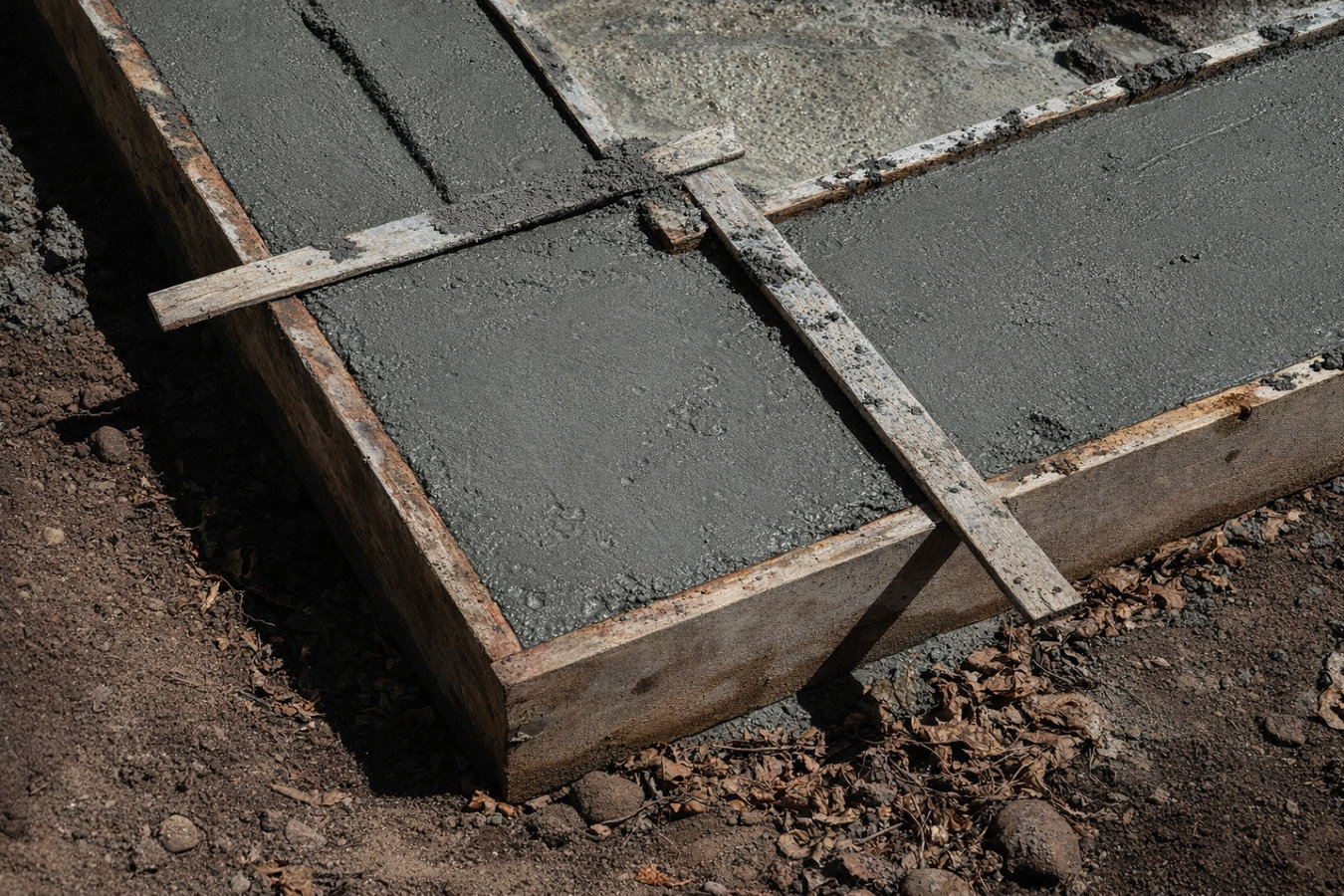
Hammond's clay soil and hard winters are tough on new concrete. We pour slab foundations built for local conditions, with the prep work that keeps them level for decades.
Slab foundation building in Hammond means pouring a thick, reinforced concrete pad directly on prepared ground that serves as both the floor and the base of your structure, with most residential jobs taking one to three days of active site work plus a 28-day cure period before framing can begin.
For Hammond homeowners, a slab foundation is the starting point for any new garage, workshop, or room addition. The work goes well beneath the surface - the gravel base, moisture barrier, and steel reinforcement are what separate a slab that lasts from one that shifts or cracks within a few years. If you are also planning walkways or approaches around a new structure, pairing this work with concrete sidewalk building at the same time saves money on mobilization.
Hammond's clay-heavy glacial soil and freeze-thaw cycles create more demanding conditions than most parts of Indiana, which is why site prep here takes longer and costs a bit more - and why cutting corners on that prep is the single biggest mistake homeowners see come back on them.
If you are building a detached garage, workshop, or room addition on your Hammond property, a new slab is almost always the first step before any framing begins. This is the most straightforward reason to call - you have a structure planned and need a solid, level base.
Small hairline cracks are common and usually harmless. But if you notice cracks wider than a quarter-inch, cracks that have grown noticeably over a season, or sections of floor that have shifted up or down, the slab may have failed. Hammond's clay soil expanding and contracting through wet and dry seasons is a common driver of this damage.
Hammond's flat terrain means water has nowhere to go quickly after heavy rain. If you regularly see standing water collecting against your foundation or in areas where you plan to build, that signals the site needs proper grading and drainage before a slab is poured - and may indicate an existing slab is being undermined.
If you walk across a concrete floor and notice areas that feel springy, hollow, or noticeably lower than surrounding surfaces, the ground beneath the slab may have settled or washed away. This is especially common in older Hammond neighborhoods where original site prep did not include the gravel base layers that modern work requires.
Our slab foundation work covers new pours for garages, workshops, additions, and accessory structures across Hammond. Every job begins with thorough site prep - grading and compacting the soil, laying a crushed gravel base, installing a moisture barrier, and setting steel reinforcement inside the forms before a drop of concrete is placed. We handle the full permit process with the Hammond Building Department so the pour has city sign-off before it happens.
For projects where you need more than a flat pad, we also pour full foundation installation including footings dug below Hammond's frost line. And when a structure requires individual load-bearing points rather than a continuous slab, concrete footings are the right approach. We will recommend the correct system for your project after seeing your site.
Best for homeowners adding a detached garage, workshop, or ground-level addition to an existing home.
Suited for properties where an older, failing concrete pad needs to be removed and replaced with a properly prepared pour.
Right for older Hammond homes with bare dirt or crawl space areas that need to be converted to usable concrete-floor space.
Hammond sits on a thick layer of clay-rich glacial soil that expands when wet and shrinks when dry. That movement puts steady pressure on any concrete structure above it, and it is why slabs poured in Hammond with inadequate prep crack faster and more severely than those poured with proper gravel bases and compaction. The region's high water table - elevated in part by the city's proximity to Lake Michigan - adds another layer of concern: moisture can push up through a slab from below if a proper barrier was not installed. Homeowners in Munster and across Hammond's older neighborhoods know this firsthand from dealing with slabs that were poured without these protections decades ago.
Hammond also has a practical construction window that matters for scheduling. Concrete cannot be poured safely when the ground is frozen or when overnight temperatures are expected to drop below freezing, which rules out roughly November through March in this area. Most of Hammond's housing stock was built before 1960, and homeowners adding garages or accessory structures to these older properties often need slabs that tie into existing drainage patterns without creating new problems. Residents near Griffith and throughout Lake County face the same soil and frost conditions, and we plan every job with those realities built in.
We reply within one business day to talk through your project - what you are building, rough dimensions, and whether you have an existing structure nearby. Hammond's soil and drainage vary by neighborhood, so we schedule a free site visit before giving you any numbers.
We look at your soil, drainage, and available access, then give you a written estimate that breaks down prep, materials, permit fees, and labor. No bundled lump sums that make it impossible to compare bids fairly.
We apply for the Hammond building permit before any work starts. Once it is approved, the crew grades and compacts the soil, lays a deep gravel base, installs a moisture barrier, and sets steel reinforcement inside the forms. In Hammond, this prep phase often takes a full day on its own.
On pour day the ready-mix truck arrives, the crew fills the forms and finishes the surface, and a city inspector confirms the work. The slab then cures - concrete reaches most of its strength within 28 days, and we advise you on when it is safe to begin framing or loading the surface.
Free site visit, written itemized estimate, no obligation. We handle the Hammond permit from start to finish.
(219) 666-0040We prepare every Hammond slab site with deep gravel bases and thorough compaction specifically sized for local clay conditions. That prep is what keeps your slab level through Indiana's full range of wet and dry seasons, not just in the first year.
Hammond's high water table means we include a heavy-duty moisture barrier on every slab as a standard step. It is not an upgrade you have to ask for - it is part of how we pour slabs in this area because the alternative creates problems in finished spaces within a few years.
We handle the permit process with the Hammond Building Department from application to final approval. You receive a clean paper trail - useful if you ever sell the property or file an insurance claim - and the peace of mind that a city inspector independently reviewed the work. American Concrete Institute standards guide our mix and reinforcement decisions.
We plan every Hammond pour around the local weather calendar, targeting the late-May-through-September window when curing conditions are most reliable. If your project pushes into fall, we take extra steps to protect the fresh concrete - and we will tell you plainly if conditions make a pour inadvisable.
Every one of these practices comes from years of working specifically in Hammond and the surrounding Lake County area. The soil, the water table, and the freeze-thaw cycle here are what shaped how we approach every job - the same grounding you should look for in any concrete slab contractor you hire.
For projects requiring a full foundation with footings dug below Hammond's frost line.
Learn MoreIndividual load-bearing footings for posts, columns, and structures that do not need a full continuous slab.
Learn MoreThe spring and summer pour window fills up fast - reach out now and we will schedule your free site visit before the best dates are gone.