
Loading...
Serving Hammond, IN and surrounding areas. (219) 666-0040
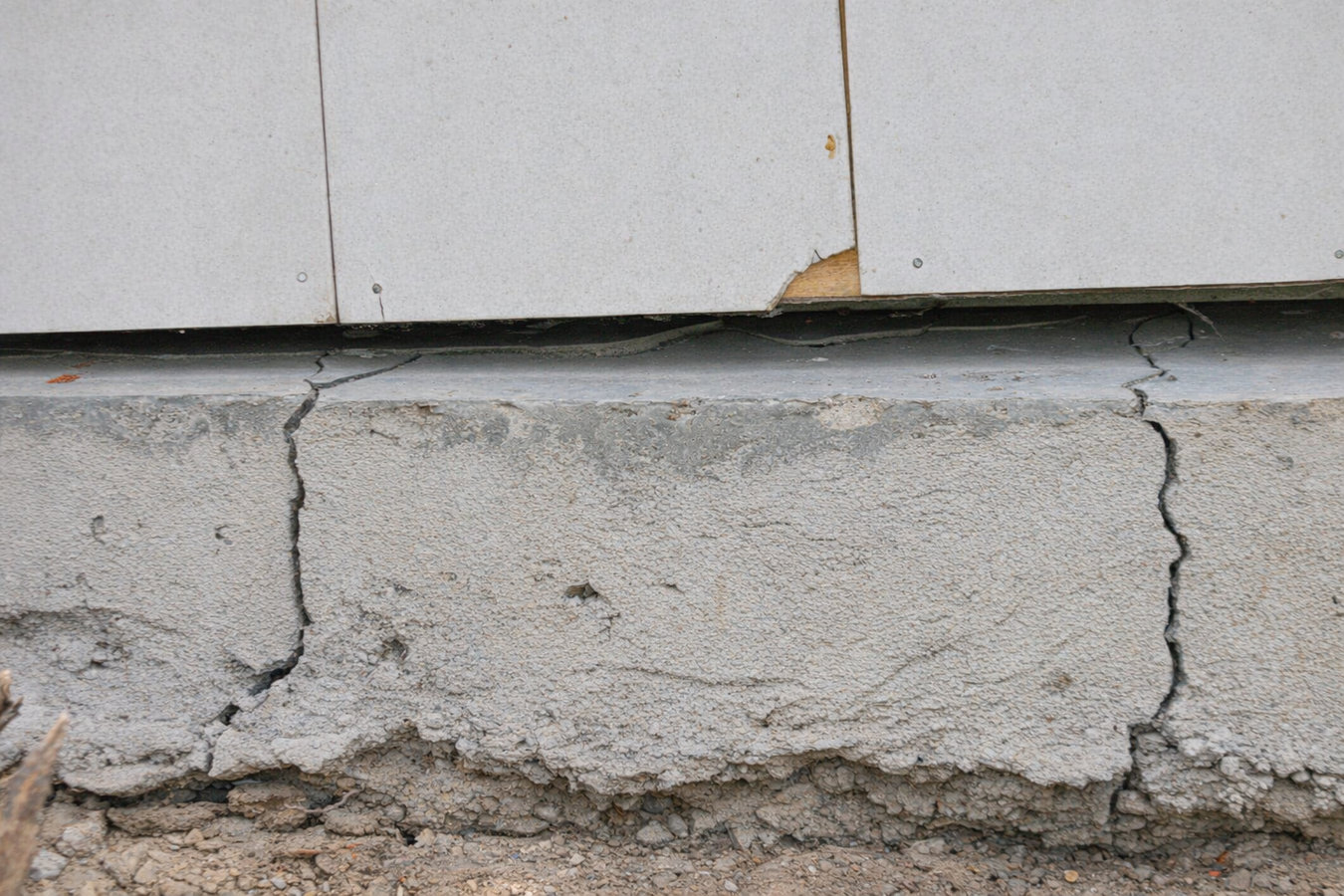
Hammond clay soil moves every season. We lift and stabilize sunken foundations before small cracks turn into serious structural problems.
Foundation raising in Hammond, IN is the process of lifting a settled or sunken foundation back toward its original level position by injecting material underneath the concrete or driving steel supports into stable soil below, restoring structural stability - most residential jobs are completed in one to three days.
If you are dealing with sticking doors, diagonal wall cracks, or floors that feel like they slope in one direction, there is a good chance your Hammond home is showing early signs of foundation settling. These symptoms are common in this area, where clay-heavy soil shifts with every wet and dry season and freeze-thaw winters put steady pressure on foundations built decades ago. Catching the problem while it is still small keeps the repair manageable. For homeowners whose settling is connected to a larger structural concern, we often coordinate foundation raising with a new slab foundation where the existing base is too far gone to be raised alone.
Hammond has a large share of homes built before 1960, and many of those foundations have been through more freeze-thaw cycles and wet springs than they were ever designed to handle. Getting an honest assessment from a contractor who will tell you what actually needs fixing - rather than what they can sell you - is the right first step. We offer free on-site assessments so you know exactly what you are dealing with before any decision is made.
If interior doors that used to swing freely now drag on the floor or refuse to latch, your home's frame may be shifting because the foundation beneath it has moved. This is one of the earliest signs homeowners notice and it tends to get worse gradually. In Hammond's older homes, where door frames have already settled over decades, this symptom is especially worth taking seriously.
Small hairline cracks in drywall are common and usually harmless. But diagonal cracks running from the corners of door frames or windows - or cracks wider than a quarter inch - often indicate that the structure is moving unevenly. In Hammond homes built before the 1970s, these cracks sometimes appear after a particularly wet spring or a hard freeze-thaw winter.
Walk through your home and pay attention to whether the floor tilts toward one wall or corner. You can also place a round object on the floor - if it rolls consistently in one direction, the floor is not level. Uneven floors in a home with a basement or crawl space often indicate the foundation has settled unevenly underneath.
If you notice a gap opening where an interior wall meets the ceiling, or where a wall meets the floor, the structure is separating in a way that suggests movement. This kind of gap tends to grow over time rather than staying the same size. In Hammond, these gaps often become more visible in late spring after the ground has thawed and shifted.
We offer two primary approaches to foundation raising, and the right one for your home depends on the severity of the settling, the type of foundation you have, and the soil conditions underneath it. For smaller settled sections - a sunken garage floor, a stoop, or a section of concrete flatwork - mudjacking pumps a cement-based slurry under the slab to push it back up. It is a faster and lower-cost option that works well when the settling is moderate and the concrete itself is still in good condition. For more serious structural settling involving the main foundation of the home, concrete cutting may be needed to access the work area, and piering drives steel piers deep into stable soil below the active clay layer to provide a long-term support point for the foundation.
Both methods involve a thorough assessment before work begins, a written estimate with a clear breakdown of scope and cost, and permit handling for any job that requires city review. We also look at drainage around your home, because Hammond's high water table means that lifting a foundation without addressing how water moves around it is only half the job. If the settling you are dealing with is connected to a need for new slab foundation work, we can scope both phases together so the structural base is addressed as a single coordinated project.
For sunken stoops, garage floors, and concrete flatwork sections where the slab is intact but needs to be lifted back to level.
For homeowners whose main foundation has settled structurally, requiring steel piers driven into stable soil below the active clay layer.
For homeowners who are not sure how serious the settling is and want an honest evaluation before committing to any repair approach.
For Hammond homes where water movement around the foundation is contributing to soil saturation and accelerating the settling problem.
Hammond sits on glacially deposited clay soil that expands when it gets wet and shrinks when it dries out. That constant movement is one of the leading reasons foundations in this area settle unevenly over time. On top of that, Hammond winters regularly push temperatures below freezing, and the ground freezes and thaws multiple times each season. Every freeze-thaw cycle gradually works foundations out of position - which is why spring is one of the busiest times for foundation calls in this area. Add to that a high water table close to the surface in many Hammond neighborhoods, and you have conditions that put steady, year-round pressure on foundations that were often built 60 to 80 years ago without the benefit of modern drainage planning. Any repair plan that does not account for all three of these factors - soil movement, frost cycles, and water - is likely to need repeating.
We work regularly throughout Hammond and the surrounding area, including Munster and Calumet City. Hammond's residential neighborhoods - including older blocks near the lakefront and areas like Hessville and Robertsdale - contain a large share of homes built between the 1920s and 1960s. Foundations from that era have been through a lot, and many are now at or past the point where settling and cracking become common. We factor in a home's age and construction history before recommending a repair method, because the right approach for a 1940s bungalow is not the same as for newer construction.
When you call, we will ask a few basic questions - how old your home is, what symptoms you have noticed, and whether you have a basement or slab foundation. From there, we schedule a free on-site visit. You will hear back within one business day to confirm the appointment time.
We walk through your home and around the exterior, checking cracks, measuring floor levels, and looking at the foundation for signs of movement. At the end of the visit we explain what we found in plain terms and give you a written estimate that breaks down the method, cost, and timeline.
If a building permit is required - which it often is for structural foundation work in Hammond - we handle that process for you, including the inspection scheduling. Once the permit is in hand, we confirm the start date and give you a prep list for getting the area ready.
The crew lifts the foundation to the documented target level, monitors movement carefully, and stops the lift at the right point to avoid over-correcting. Most jobs are done in one to three days. We walk you through the before-and-after measurements when the work is complete and explain what to watch for in the months ahead.
We come out, look at what is happening with your foundation, and give you a straight answer - no obligation to hire us.
(219) 666-0040Structural foundation work in Hammond requires a building permit, and navigating that process on your own is confusing and time-consuming. We apply for the permit, schedule the city inspection, and handle the sign-off - so the work is documented correctly and will not create problems if you ever sell your home.
Hammond's glacially deposited clay soil expands and contracts with every wet and dry season. A repair plan that lifts your foundation without addressing how the soil beneath it behaves is likely to need repeating. We assess soil conditions at your specific site and size the repair method to hold through ongoing soil movement.
Homes built in Hammond's established neighborhoods - many from the 1920s through the 1960s - have foundations that have been through decades of freeze-thaw cycles and shifting soil. We do not treat a 1940s bungalow the same way we would treat a newer build. The American Society of Civil Engineers provides structural assessment standards that inform how we approach older foundations in this area.
Hammond's high water table means that lifting a foundation without looking at drainage is only half the job. We check how water moves around your home and make sure the repair we do is not going to be undermined the next time it rains hard - a real concern in this part of northwest Indiana.
Taken together, these details add up to foundation raising that is built for Hammond's specific conditions - not a generic repair copied from a region with different soil, different winters, and different housing stock. We have worked on homes throughout Hammond and the surrounding area and we bring that local knowledge to every assessment.
When access to the work area requires clean, controlled removal of existing concrete before foundation work begins.
Learn MoreFor Hammond homes where the existing foundation is too far settled to raise and a new slab base is the right solution.
Learn MoreSpring is the busiest season for foundation work in Hammond - secure your assessment slot before the schedule fills up.