
Loading...
Serving Hammond, IN and surrounding areas. (219) 666-0040
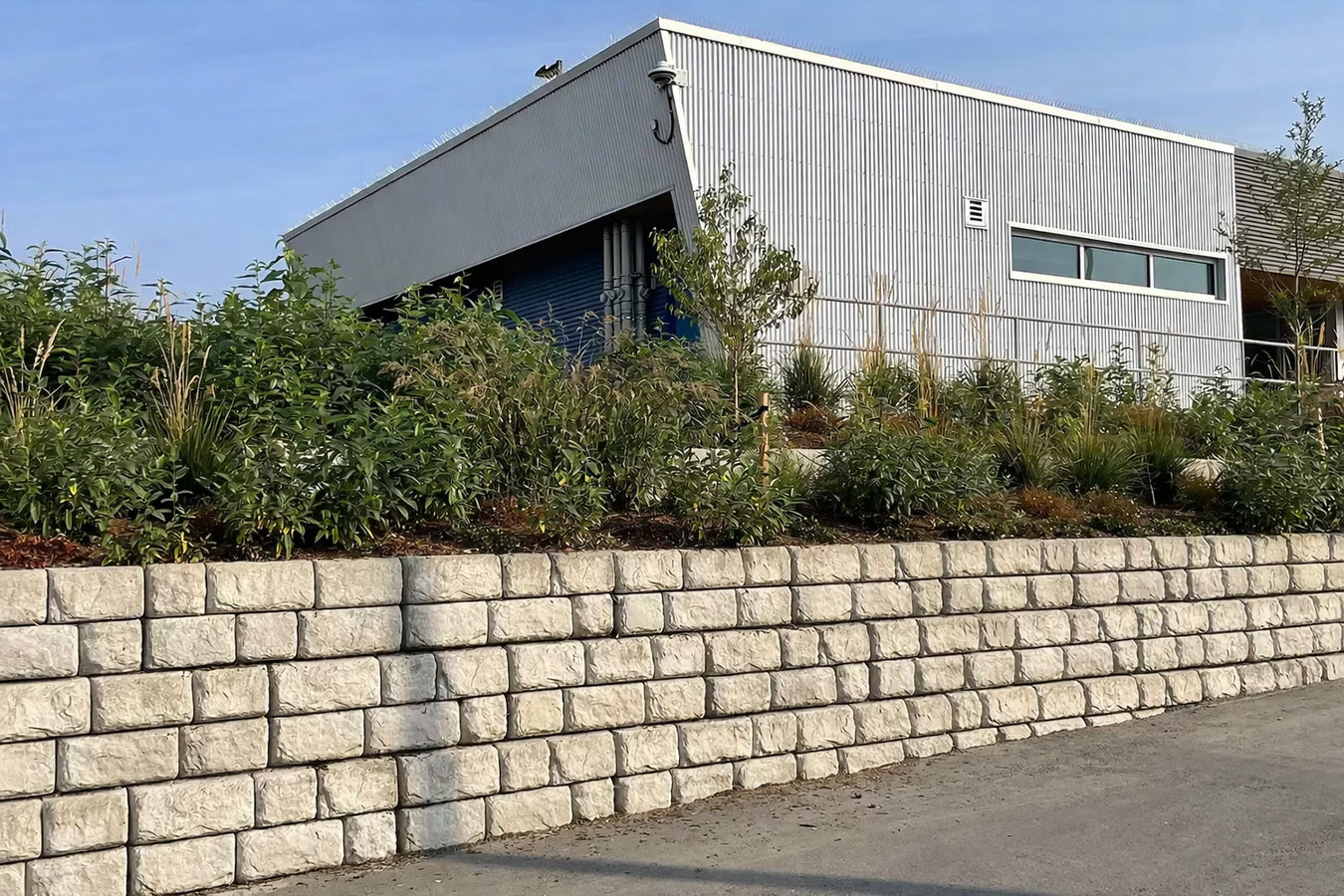
Your sloped yard is working against you. We build concrete retaining walls that hold back soil, redirect water, and create usable space - built for Hammond's clay and winters.
Concrete retaining walls in Hammond hold back soil on sloped ground, stop erosion, and redirect water away from foundations - most residential projects take two to five days from excavation to backfill once the permit is in hand.
If your yard slopes toward the house or you have an old wall that is starting to lean, that is not something that corrects itself. Hammond sits on dense clay soil that holds water after every rainstorm, and the pressure that builds up behind a failing wall only grows. Concrete retaining walls in Hammond are one of the most effective ways to protect your foundation from water damage and create usable flat ground.
Many homeowners pair a retaining wall project with concrete floor installation when they are leveling out a lower-level space at the same time. If you need flat ground for an outdoor living area, a concrete footings assessment may be part of the planning conversation too.
After a heavy Hammond spring rain, if water collects against your home's base or at the bottom of a slope, your grade is pushing runoff toward your house. Left alone, that water finds its way into basements and cracks foundations over time.
Horizontal cracks across the face of a wall, visible tilting, or gaps opening between the wall and soil behind it are all signs the structure is failing. In Hammond's clay soil, a leaning wall rarely stabilizes on its own - it keeps moving until it is replaced.
If mulch, dirt, or gravel migrates down a slope after storms and ends up on your driveway or sidewalk, the slope is actively eroding. That kind of movement tends to accelerate each season, not slow down.
If you have been wanting to add a patio, garden bed, or flat play area but your yard is all slope, a retaining wall is how you create that level ground. It holds the uphill soil back so you can build on something stable.
We handle poured concrete retaining walls from small yard dividers to larger slope-management walls. Every project starts with a site visit to assess the soil, existing drainage, and what the wall needs to hold back. For projects that also involve underground support, we tie the wall into proper concrete footings so the structure has a stable base regardless of seasonal ground movement.
When a wall project is part of a larger landscaping or structural effort - such as leveling a space for a lower-level room or utility area - we coordinate with the concrete floor installation work so both pieces get done right the first time. Whether you need a single low wall along a property line or a multi-tier structure for a steep backyard, we give you a written scope before work starts and stick to it.
Best for homeowners with sloped backyards who want level, usable outdoor space.
Ideal for lots where a neighboring yard sits higher and runoff crosses onto your property.
Suited for yards where soil and mulch migrate downhill after every rain event.
Right choice when an old concrete block or brick wall is leaning, cracking, or no longer holding soil.
Hammond sits on heavy clay soil left behind by glaciers thousands of years ago. Clay does not drain - it holds water and puts constant pressure on anything behind a retaining wall. That, combined with freeze-thaw cycles that can crack a wall built without the right footing depth, means a wall installed here needs to be engineered for this specific environment. A contractor who usually works in sandier soil does not automatically know how to handle Hammond's ground conditions. The American Society of Concrete Contractors recommends drainage behind retaining walls as a standard practice - in Hammond's clay, it is not optional.
Homeowners in Munster and Griffith deal with the same soil and frost conditions we see throughout Hammond. Many of the calls we get are from homeowners replacing walls that were installed decades ago without proper drainage - the wall looked fine for years, then one bad winter pushed it off plumb. We build walls that account for this climate from the first day of excavation.
We reply within one business day. Before quoting anything, we come to your yard to see the slope, check drainage, and understand what the wall needs to hold. You will have a written estimate, not a ballpark number.
Most Hammond retaining wall projects require a building permit. We handle the application for you and include the fee in your estimate so there are no surprises. The permit adds about one to two weeks before construction begins.
The crew digs below the frost line - roughly 36 to 42 inches in Lake County - sets the footing, and installs drainage aggregate behind the wall location. This is the most disruptive day of the project.
We set forms, pour the wall, and let it cure before backfilling. After curing, we walk the site with you to confirm drainage is working and answer any questions before we close out the job.
Free estimate, no obligation. We reply within one business day.
(219) 666-0040We set footings 36 to 42 inches deep to get below the frost line in Lake County. That depth is what separates walls that stay plumb through Hammond winters from walls that start tilting after the first hard freeze.
We install gravel backfill and drainage pipe behind every wall - not as an add-on. Hammond's clay soil makes drainage a structural requirement, and we treat it that way on every project.
We handle the Hammond Building Department permit application for you, include the fee in your estimate, and do not start work until the permit is in hand. That gives you documentation that protects you at resale.
Indiana law requires utility lines to be marked before any digging. We follow this on every project - protecting your yard, your utilities, and the crew. Learn more at Indiana 811.
Every one of these practices reflects how Hammond's specific conditions - clay soil, hard winters, older housing stock - require a different level of preparation than a generic concrete job. When you call us, you get a contractor who has worked through those conditions on local properties and knows what it takes to build something that lasts.
New basement or garage floor poured with proper moisture barrier and surface finish for Hammond's clay-heavy soil conditions.
Learn MoreBelow-frost-line footings that give structures a stable base through Lake County's freeze-thaw cycles.
Learn MoreSpring is our busiest season in Northwest Indiana - reach out now and lock in your project date before the schedule fills up.